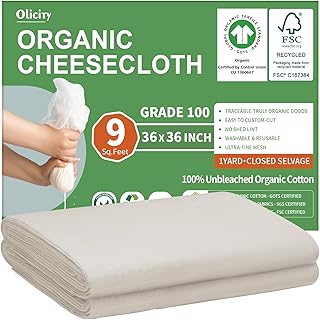
For centuries, a simple, unassuming fabric has been a cornerstone of kitchens, dairies, and craft rooms. Cheesecloth, with its loose, open weave, is a deceptively simple tool with a staggering array of uses. Far more than just for making cheese, this versatile cloth is a must-have for anyone passionate about cooking, baking, preserving, or even DIY projects. But with terms like "Grade 100," "butter muslin," and "unbleached cotton" floating around, choosing the right one can be confusing. This guide will demystify cheesecloth, explore its many applications, and help you select the perfect type for your needs.
What is Cheesecloth and Why Does Grade Matter?
At its core, cheesecloth is a lightweight, gauzy cotton fabric with a loose weave. Its utility comes from this structure, which allows liquids to pass through while trapping solids. The key differentiator is the "grade," which refers to the number of threads per inch. A lower grade (like 10) has a very open, loose weave, while a higher grade (like 90 or 100) is much denser.
Grade 100 cheesecloth, often called "butter muslin" or "ultra-dense," is the finest available. Its tight weave makes it ideal for straining very fine particles, like when making silky-smooth yogurt, clarifying butter into ghee, or creating crystal-clear stocks and broths. For most serious culinary tasks, Grade 100 is the gold standard, offering superior filtration and durability for reusable cheesecloth.
Endless Uses in the Kitchen and Beyond
The primary use of cheesecloth is, unsurprisingly, straining. But its applications are wonderfully diverse:
For Cooking & Baking:
• Cheese Making: The namesake use. It's perfect for draining whey from curds when making ricotta, paneer, or farmer's cheese. A high-grade cloth ensures you don't lose precious curds.
• Straining Stocks & Broths: Achieve a perfectly clear consommé or broth by straining through a double layer of cheesecloth to remove all impurities.
• Making Yogurt & Labneh: Strain yogurt to thicken it into Greek-style yogurt or continue straining to create the creamy, tangy Middle Eastern cheese, labneh.
• Flavor Infusions: Create herb sachets (bouquet garni) or spice bags for soups, stews, and mulled wine. The cloth contains the ingredients while allowing flavors to permeate.
• Cooking Turkey or Roasts: Soak the cloth in butter or oil and drape it over poultry or meat to baste it continuously, keeping it moist and promoting even browning.
• Juicing: For small-batch fresh juices, especially nut milks or pulp-free fruit juices, cheesecloth is an excellent straining tool.
For Crafts & Home:
• DIY Projects: Its soft, malleable nature makes it great for ghost costumes, rustic gift wrapping, or as a base for faux flowers.
• Polishing & Cleaning: Use it to buff silverware or glass to a streak-free shine without leaving lint behind.
• Gardening: Protect young seedlings from pests by creating breathable covers.
Choosing the Right Cheesecloth: Key Features
When shopping, look beyond just the grade. Here’s what to consider:
1. Material: Always opt for 100% cotton. It's food-safe, absorbent, and durable. Unbleached cheesecloth is a popular choice as it’s free from chemical treatments, making it ideal for organic and natural food preparation. Bleached versions are very white and are often sterilized.
2. Reusability & Construction: A major factor is whether the edges are finished. Cloths with hemmed or closed edges (like the Organic Cheese Cloths with closed edges) prevent fraying, making them truly reusable and more durable wash after wash. Unhemmed cloths are often single-use.
3. Size & Pack Count: Consider your typical use. Large 36"x36" squares (like the Cotton Farm Grade 100 XL Cheese Cloth) are versatile for big batches. Precut packs in sizes like 20"x20" or 15"x15" (such as the 6-Pack Beige Cheesecloth or the Precut Cheesecloth 4 Pack) offer convenience and value.
4. Certifications: For the utmost in food safety and environmental care, look for certifications like GOTS (Global Organic Textile Standard), which guarantees organic status from harvest to finished product.
Top Picks for Every Need
With so many options, here are a few standout types based on specific needs:
• The Premium Organic Choice: The GOTS Certified Organic Cheese Cloth is top-tier for those who prioritize organic materials and reusable, fray-proof construction.
• The Value Multi-Pack: For households that use cheesecloth frequently, a multi-pack like the Mostdream 10Pcs pack or the 12Pcs Reusable Cheese Cloths offers excellent value and ensures you always have a clean one on hand.
• The Trusted Brand Name: For a reliable, widely available option, the GoodCook Everyday Cotton Cheesecloth is a classic choice, praised in many a cheesecloth guide.
• The Serious Cook's Tool: Products like the MAJESTIC CHEF Natural Cheesecloth are built for performance, often highlighted in hands-on reviews for serious cooks.
Care and Maintenance
To get the most out of your reusable cheesecloth, rinse it immediately in cold water after use to remove food particles. Then, wash it in warm water with a mild detergent. You can machine wash on a gentle cycle, but placing it in a mesh laundry bag is advisable to prevent tangling. Avoid fabric softeners, as they can reduce absorbency. Always air dry.
Whether you're clarifying butter, crafting holiday decorations, or embarking on a DIY cheese-making adventure, having the right cheesecloth makes all the difference. By understanding grades, materials, and construction, you can choose a cloth that’s not just a single-use item but a durable, versatile kitchen essential that will serve you for years to come. For a deeper dive into all the types and techniques, check out our comprehensive Ultimate Guide to Cheesecloth.